
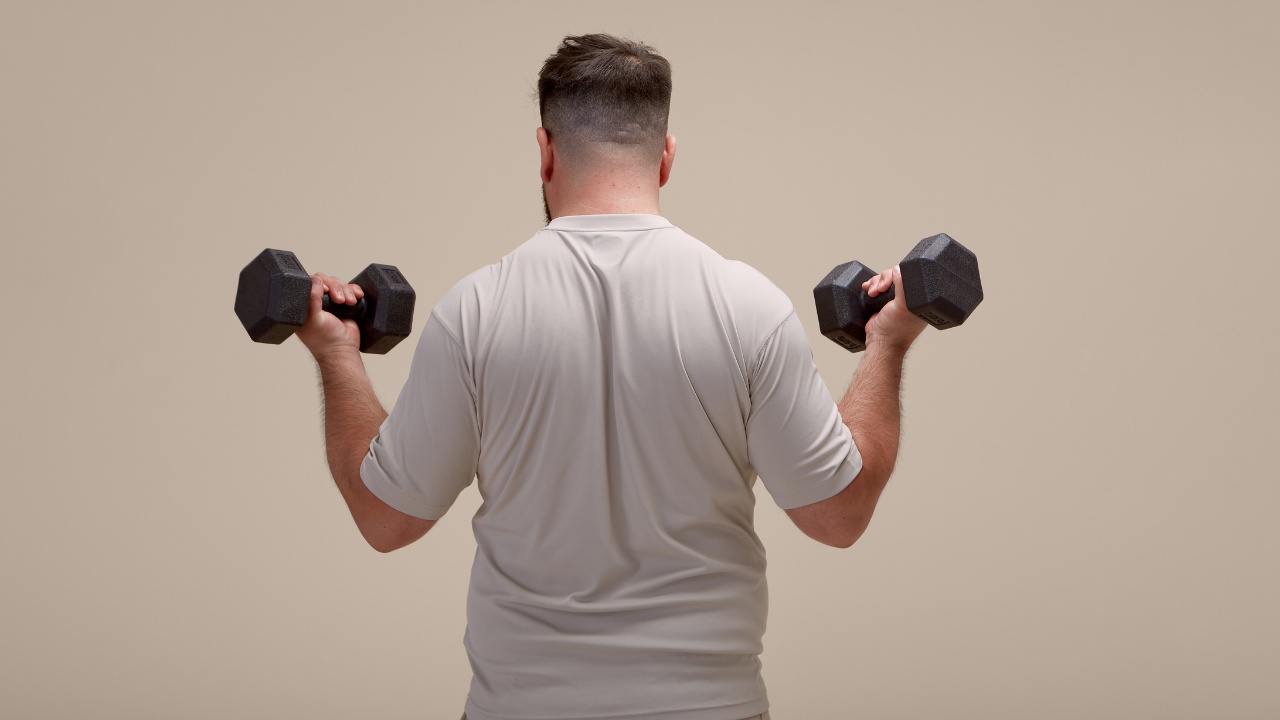
Can Weight Loss Help Back and Joint Pain?
Weight loss for back pain is often presented as a simple equation: lose the pounds and the pain disappears. Real life is more complicated. Body weight can affect joint loading and movement, but injuries, arthritis, muscle capacity, posture, sleep, and other health conditions may also contribute to how a person feels day to day. Readers who spend much of the day seated should also review our guide to back pain from desk work in Irmo, since prolonged sitting and limited movement can matter regardless of body size.
How Body Weight Can Affect the Back and Weight-Bearing Joints
Every step, twist, and lift places mechanical force through the spine, hips, knees, ankles, and feet. These structures are built to absorb and distribute load, but the amount of force they manage each day is influenced by body weight, movement patterns, and how well surrounding muscles support the joints. Carrying additional weight can increase the demand placed on these areas, particularly during standing, walking, and stair use.
That said, weight is only one contributor to pain, not the whole story. Thin people can develop serious musculoskeletal problems, and people in larger bodies can remain active and pain-free for years. Excess weight and joint pain are often linked in general conversation, but the relationship looks different for every person depending on strength, flexibility, alignment, and overall health.
Why Pain Is More Complex Than a Number on the Scale
Prior injuries, arthritis, muscle strength, activity level, sleep quality, stress, and work demands all shape whether and how pain develops. Someone recovering from an old back injury may hurt at a lower body weight than someone with strong supporting muscles and no injury history. It would be misleading to imply that every symptom will resolve through weight loss alone. A thorough plan looks at the whole picture rather than focusing on one variable.
Can Weight Loss Reduce Back, Hip, or Knee Pain?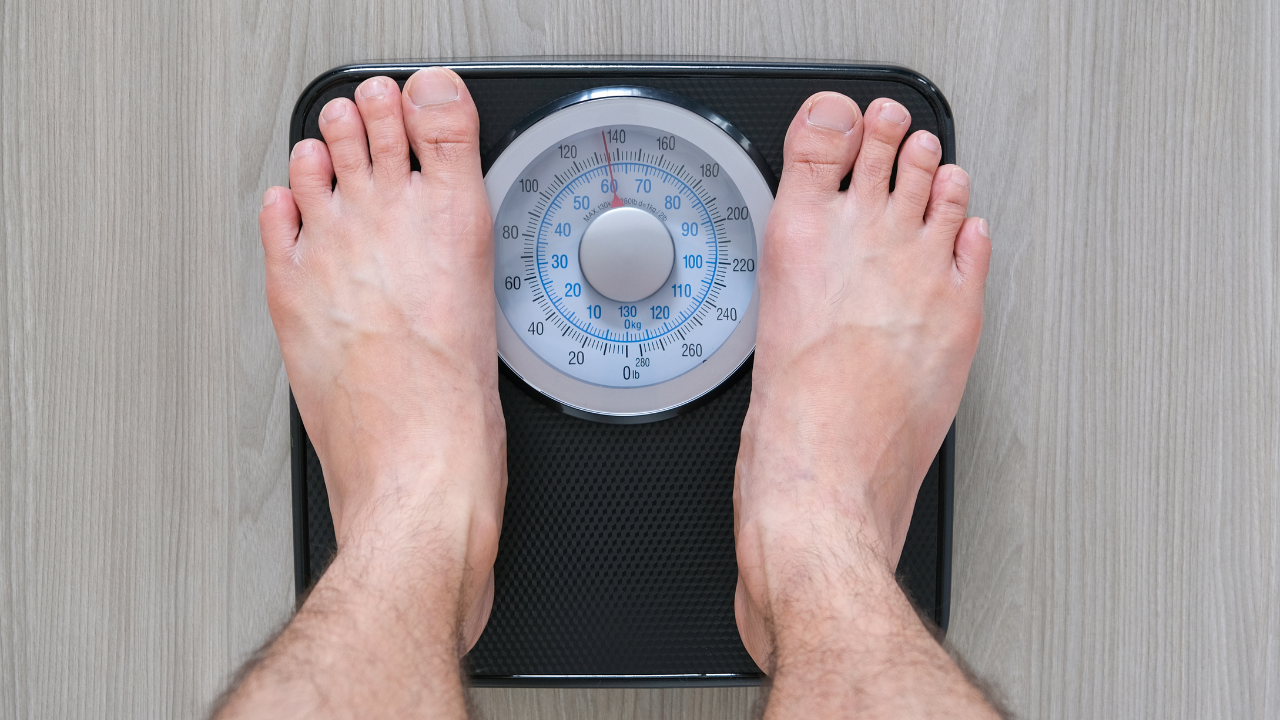
Research suggests that weight reduction may improve pain or function for some people who are managing overweight, obesity, or osteoarthritis, particularly in weight-bearing joints such as the knees and hips. The improvement is not guaranteed and tends to vary from person to person. Readers should not delay evaluation of persistent, severe, or neurological symptoms, such as numbness, tingling, or weakness, while pursuing weight loss for back pain on its own.
Set Functional Goals Alongside Weight Goals
Scale weight alone provides an incomplete picture of progress. Tracking practical outcomes such as walking tolerance, comfort on stairs, sleep quality, energy levels, how clothing fits, and the ability to complete work or household tasks gives a fuller sense of whether a plan is working. These functional markers often shift before or alongside changes on the scale, and they matter just as much for daily quality of life.
What a Supervised Weight Loss Program Should Include
A responsible weight loss program in Irmo, SC should begin with an initial health screening rather than a generic starting point. From there, realistic nutrition guidance, regular monitoring, behavior support, and clear criteria for referring a patient to another provider all help keep the process safe. Medications, supplements, or restrictive eating plans do not suit everyone. People who are pregnant, breastfeeding, managing chronic conditions, or taking certain medications need individualized guidance before starting any structured program.
Questions to Ask Before Starting ChiroThin
Before beginning, it helps to ask how candidacy is assessed, what foods are included, what monitoring is provided, what costs are involved, what happens after the initial phase, and how the plan adjusts if symptoms, hunger, or medication needs change. The ChiroThin weight loss program at Irmo Family Chiropractic is designed around this kind of individualized oversight, so patients understand what to expect at each stage.
How Chiropractic Care and Movement Can Fit Into the Plan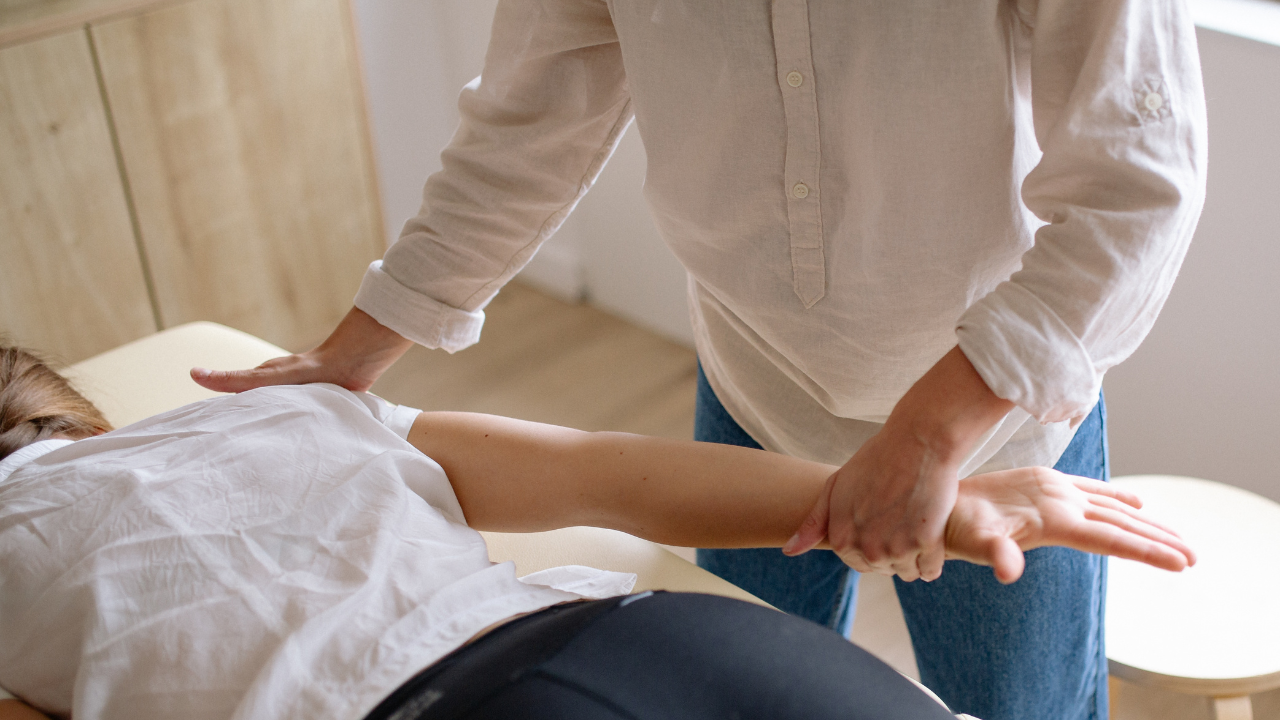
Chiropractic treatment does not cause weight loss. What it may do is address an accompanying musculoskeletal complaint and help some patients tolerate appropriate movement more comfortably while they work toward their goals. Progressive physical activity and resistance exercise, matched to a person’s current ability, tend to serve patients better than an all-or-nothing workout plan. Patients exploring family chiropractic care in Irmo often find that consistent, manageable movement paired with hands-on care supports steadier progress than sudden, intense exercise changes.
When Functional Health Support May Be Appropriate
Fatigue, unexplained weight changes, menstrual changes, persistent sleep problems, medication effects, and other metabolic concerns can sometimes point to something beyond mechanical strain. These symptoms deserve a broader look rather than an assumption that every weight concern is hormonal. For patients noticing these patterns alongside back or joint discomfort, functional health services at Origins Health can offer a more complete evaluation of what may be contributing to their symptoms.
Frequently Asked Questions About Weight Loss and Pain
Can losing weight reduce lower-back pain?
Losing weight may reduce mechanical stress and improve mobility for some people, particularly when weight management is combined with appropriate activity and strength work. It does not guarantee relief because back pain can involve discs, joints, nerves, muscles, injuries, or medical conditions that require separate evaluation.
How does excess weight affect the spine?
Additional body weight can increase the load managed by the spine and may change how a person stands, walks, or performs daily tasks. Its effect differs among individuals. Muscle strength, fitness, work demands, previous injuries, sleep, and underlying conditions also influence whether spinal pain develops.
Can weight loss help knee and hip pain?
Weight reduction may improve pain and physical function for some adults with overweight or obesity, including people with knee or hip osteoarthritis. The benefit varies and should be paired with suitable movement and clinical care. Sudden swelling, instability, trauma, or severe pain warrants an assessment.
How much weight must I lose to help joint pain?
There is no universal number that guarantees improvement. Even modest, sustainable weight reduction may support health or mobility for some people, but functional progress matters as much as the scale. A clinician can help set an appropriate target based on your health, medications, symptoms, and starting point.
Can I exercise when my back hurts?
Many people can remain active using modified, tolerable movement, but the right activity depends on the cause and severity of the pain. Stop and seek assessment if exercise produces worsening weakness, spreading numbness, loss of coordination, or severe symptoms. Begin gradually instead of trying to push through sharp pain.
5. Talk to Irmo Family Chiropractic about a plan built around your body and your goals.
Build a Plan That Supports Health and Movement
Weight management may reduce strain and support better mobility, but it should never become a shortcut around a proper pain assessment. The strongest plan considers nutrition, movement, sleep, medical history, and the specific structures contributing to discomfort. Progress should be measured by health and function, not only pounds.
To discuss structured support, review the ChiroThin weight loss program and contact Irmo Family Chiropractic for an individual consultation. If unexplained fatigue, metabolic concerns, or persistent symptoms suggest that a broader assessment may be useful, explore functional health services at Origins Health.